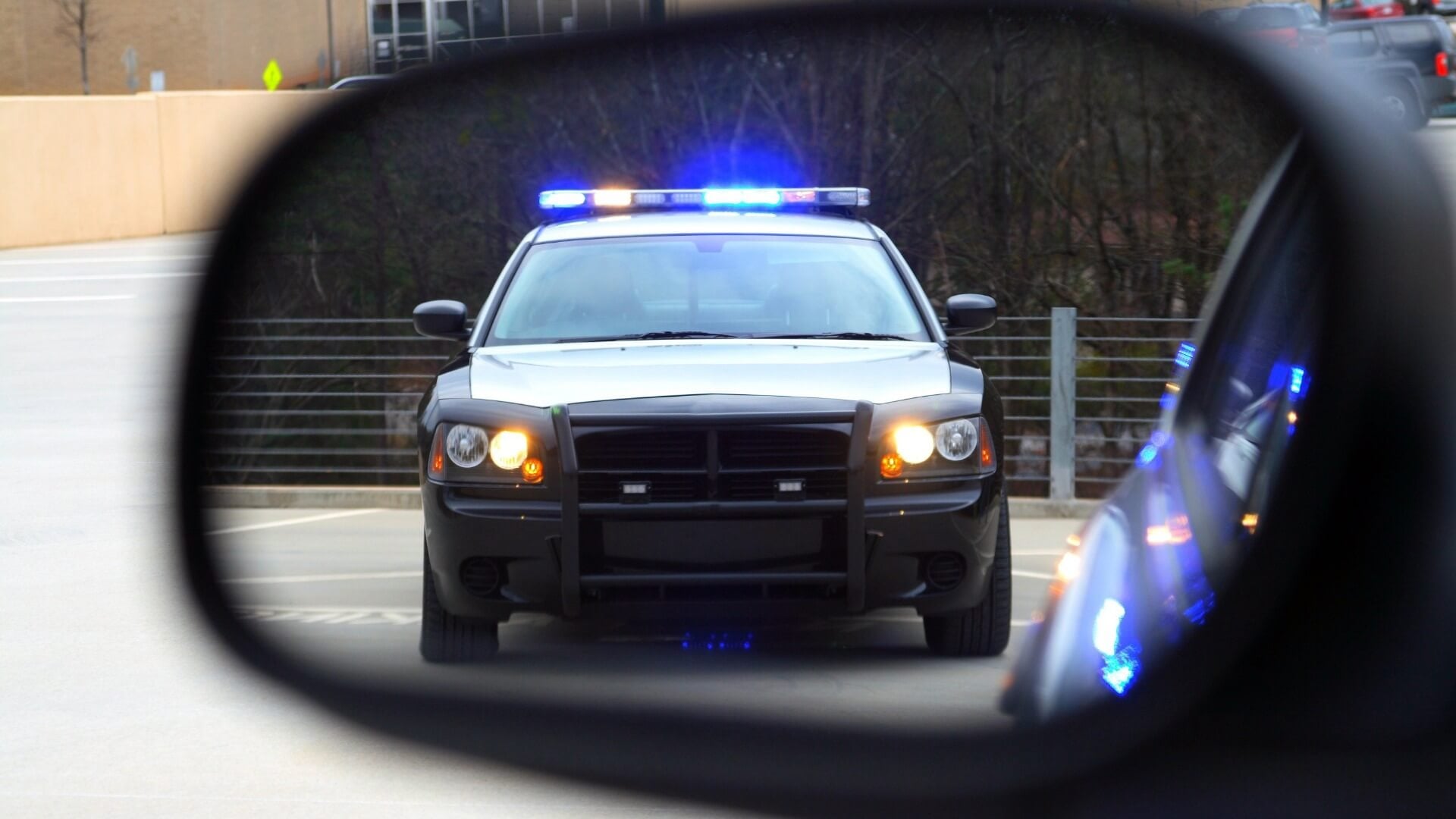
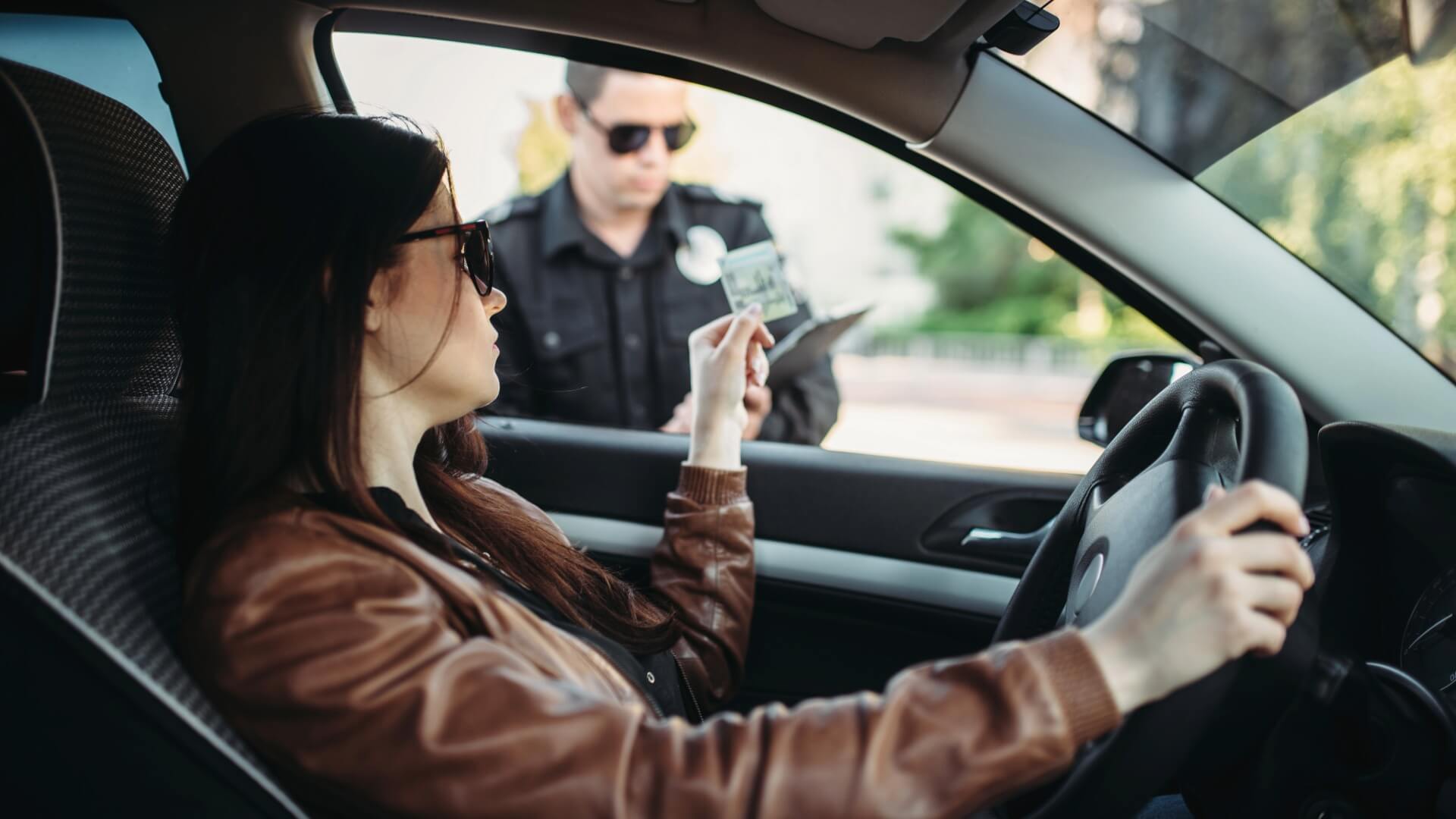
During a Pennsylvania traffic stop, you must provide your license, registration, and proof of insurance, but you are not required to answer questions about where you are going or whether you have been drinking. Officers need reasonable suspicion or probable cause to stop you in the first place, and you can decline a search of your vehicle.
Knowing these rights before you are pulled over can make a real difference in how your case turns out later.
What Do Police Need to Pull You Over in Pennsylvania?
Pennsylvania courts recognize two standards for traffic stops. If an officer needs to investigate further to confirm a violation, such as suspected impaired driving, reasonable suspicion is enough. If the violation is obvious and needs no further investigation, such as a broken taillight or expired registration, the officer needs probable cause.
Either way, the officer must be able to point to specific facts supporting the stop. A hunch is not enough under Pennsylvania law.
Do You Have to Answer Questions During a Traffic Stop?
You must provide your license, registration, and insurance information when asked. Beyond that, you have the right to remain silent. You do not have to answer questions about where you have been, where you are headed, or whether you have consumed alcohol.
Politely declining to answer further questions is not an admission of guilt, and it cannot legally be held against you.
Can Police Search Your Car Without a Warrant?
Police generally need a warrant, your consent, or probable cause to search your vehicle. You are allowed to say no if an officer asks to search your car. If police search anyway without a valid legal basis, the evidence found may be challenged and excluded from your case.
What Happens If You Are Suspected of DUI During a Traffic Stop?
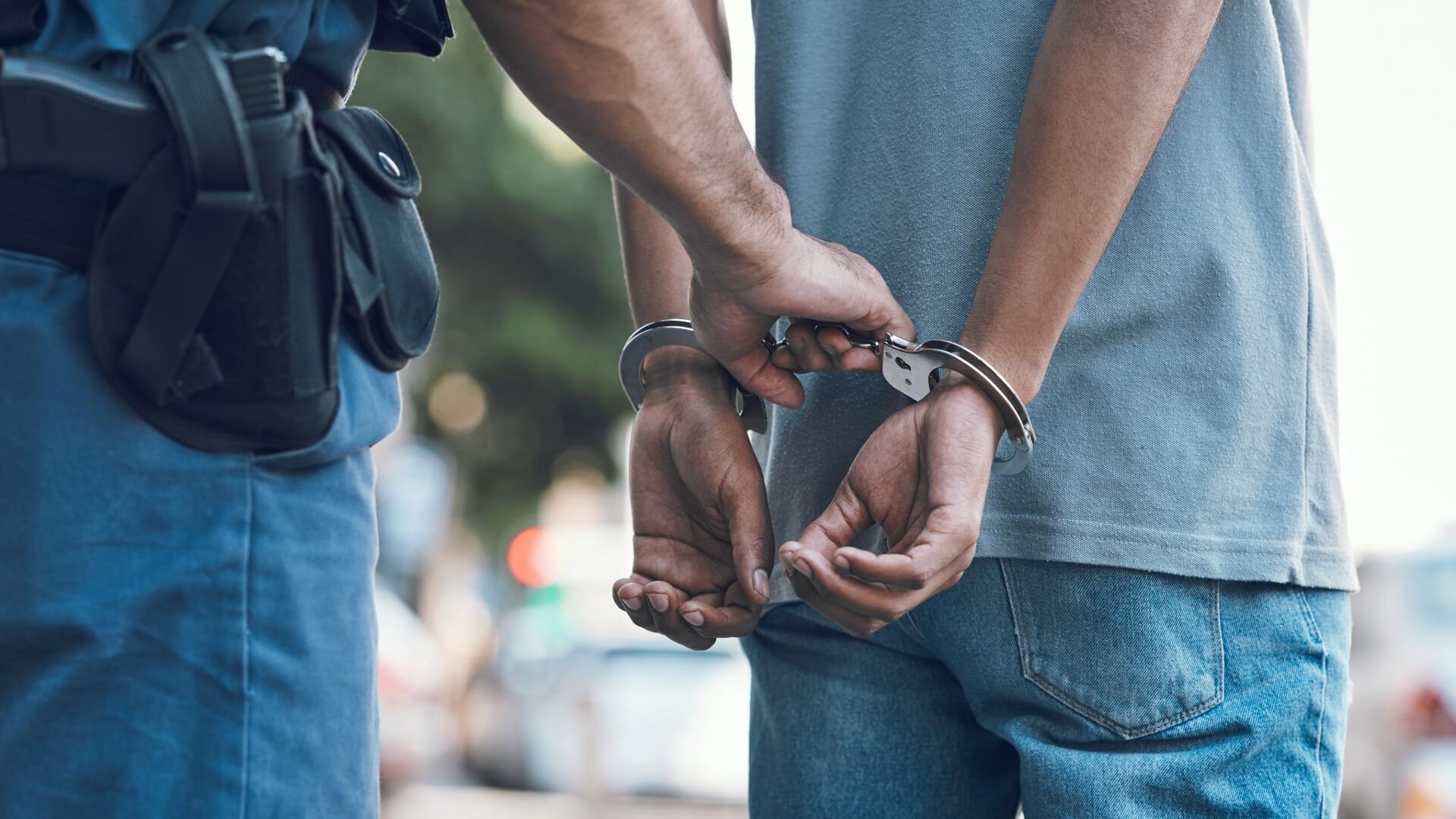
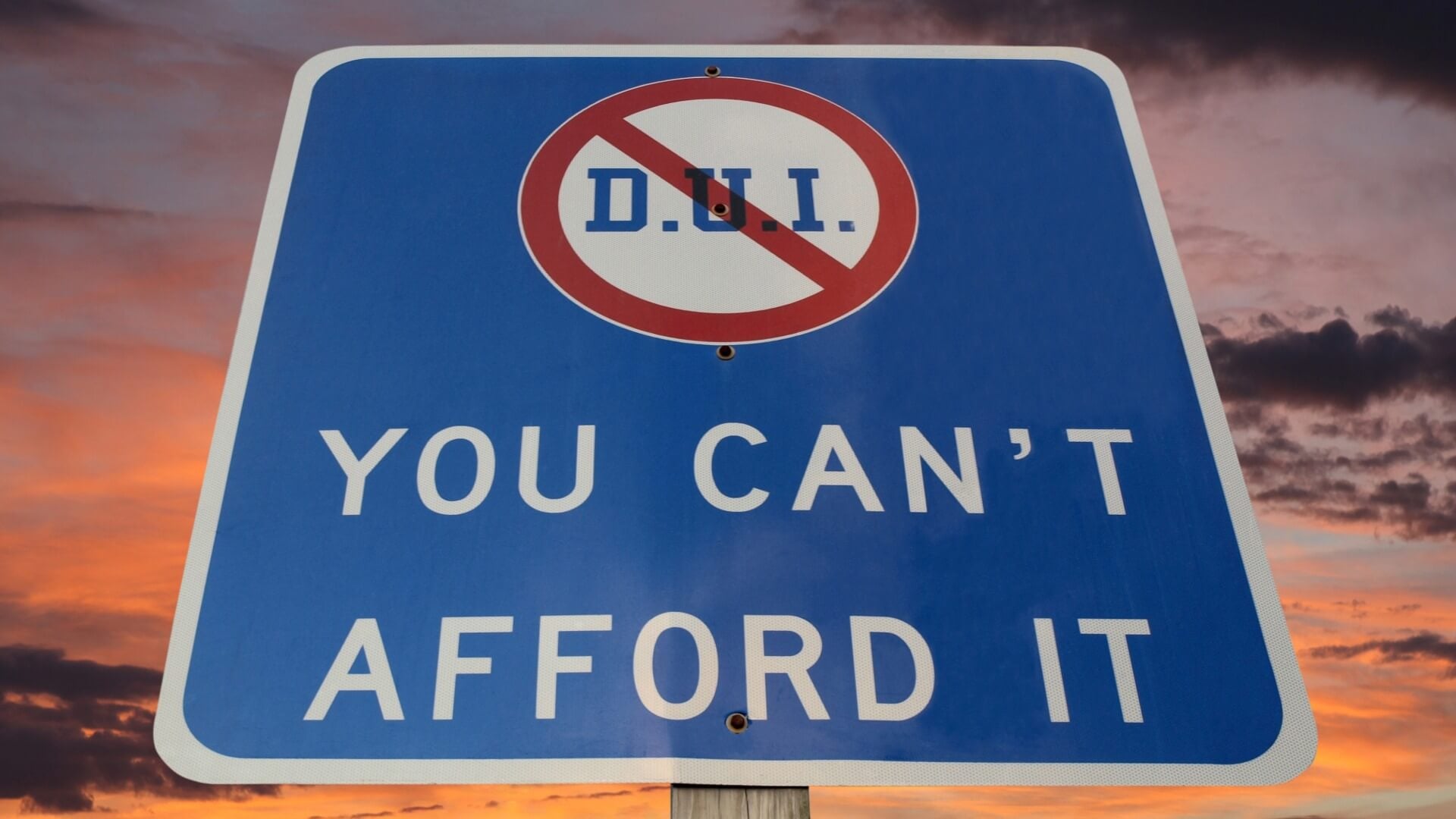
Pennsylvania’s implied consent law, found at 75 Pa.C.S. Section 1547, requires drivers lawfully arrested on suspicion of DUI to submit to chemical testing. This only applies after a lawful arrest, meaning the officer already needs probable cause. Refusing a chemical test after a lawful DUI arrest triggers an automatic license suspension, separate from the DUI charge itself.