Probation Violation in York County: What to Expect at Your Gagnon Hearing
A missed appointment, failed drug test, or new arrest can put your probation at risk. If you’re facing a violation, speaking with a probation violation lawyer in York County early can help you understand your options and prepare for what happens next.
Probation violations follow their own legal process in Pennsylvania. Unlike a new criminal trial, these hearings focus on whether you violated the conditions of your supervision and what consequences should follow.
Here’s what you should know about Gagnon hearings, technical violations, and Pennsylvania’s updated probation laws.
Technical Violations vs. Direct Probation Violations
Pennsylvania probation violations generally fall into two categories. Understanding the difference matters because each can carry different legal consequences.
What Is a Technical Probation Violation?
A technical violation occurs when you fail to follow a condition of your probation without committing a new crime for which you have been convicted or found guilty.
Common examples include:
- Missing an appointment with your probation officer
- Failing a drug or alcohol test
- Missing required counseling or treatment sessions
- Violating a curfew or travel restriction
- Failing to complete court-ordered programming
- Failing to meet certain financial obligations
Not every alleged technical violation automatically results in jail. Pennsylvania law limits when courts can impose incarceration, particularly for lower-level violations.
Additionally, probation generally cannot be revoked solely because someone cannot afford to pay fines or costs. Courts must consider the applicable statutory requirements before imposing consequences for nonpayment.
What Is a Direct Probation Violation?
A direct violation generally involves committing a new criminal offense while serving probation. However, a new arrest does not automatically establish that a crime occurred.
Under Pennsylvania’s probation reform laws, the distinction between an arrest and a conviction is especially important when determining whether a court can impose incarceration following revocation.
A person may face proceedings involving both the new criminal charge and the alleged probation violation. The court must still follow the required procedures before revoking probation.
What Is a Gagnon Hearing in Pennsylvania?
Probation cannot simply be revoked because an officer alleges that someone violated supervision conditions. Pennsylvania follows a process commonly called Gagnon hearings.
The name comes from the United States Supreme Court decision Gagnon v. Scarpelli, which established important due process protections for probation revocation proceedings.
There are generally two stages: Gagnon I and Gagnon II.
Gagnon I: The Preliminary Hearing
A Gagnon I hearing determines whether probable cause exists to believe a probation violation occurred.
This preliminary process becomes especially important when someone is arrested and detained because of an alleged violation. The hearing helps determine whether sufficient grounds exist to continue the revocation process.
In certain circumstances, another proceeding addressing the alleged conduct may satisfy the preliminary hearing requirement. Whether a separate Gagnon I hearing is necessary depends on the facts and applicable procedures.
Gagnon II: The Final Revocation Hearing
A Gagnon II hearing is the formal proceeding where the court determines whether a violation occurred and what should happen next.
Under Pennsylvania Rule of Criminal Procedure 708, the hearing must provide the defendant with important procedural protections.
During the hearing, your attorney may challenge the allegations, present evidence, question witnesses, and explain circumstances surrounding the alleged violation.
Possible outcomes include:
- Dismissal of the alleged violation
- Continuation of probation under existing conditions
- Modification or additional supervision requirements
- A brief sanction authorized by law
- Revocation of probation and resentencing, subject to statutory limits
The judge must consider the evidence and applicable sentencing restrictions before determining the appropriate outcome.
How Act 44 Changed Probation Violations in Pennsylvania
Pennsylvania’s Act 44 of 2023 significantly changed how courts handle probation violations.
The law created a presumption against total confinement for technical violations. In other words, judges generally must consider alternatives to incarceration unless statutory conditions justify a jail sentence.
These changes are particularly important for people accused of lower-level technical violations.
Jail Limits for Technical Probation Violations
Under 42 Pa.C.S. § 9771, qualifying confinement sentences following technical probation violations are generally limited as follows:
- First technical violation: A maximum of 14 days.
- Second technical violation: A maximum of 30 days.
- Third or subsequent technical violation: The court may impose sentencing alternatives available at the original sentencing, subject to applicable law.
These limits apply when confinement is otherwise permitted under the statute. They do not mean every technical violation results in a jail sentence.
The law also allows certain additional confinement, not exceeding 30 days, when reasonably necessary for evaluation or participation in qualifying treatment or treatment court programs.
When Can a Judge Impose Jail for a Technical Violation?
Act 44 includes specific circumstances in which a court may impose incarceration for a technical violation.
These may involve:
- Assaultive behavior or credible threats of bodily injury
- Violations involving firearms or dangerous weapons
- Sexual misconduct connected to the violation
- Certain drug manufacturing or distribution activity
- Absconding from supervision
- Repeated intentional refusal to follow required programming
- An identifiable threat to public safety
These exceptions have specific evidentiary requirements. Depending on the circumstances, courts must also determine whether less restrictive alternatives can safely address the violation.
Understanding these requirements can make a substantial difference when arguing against incarceration.
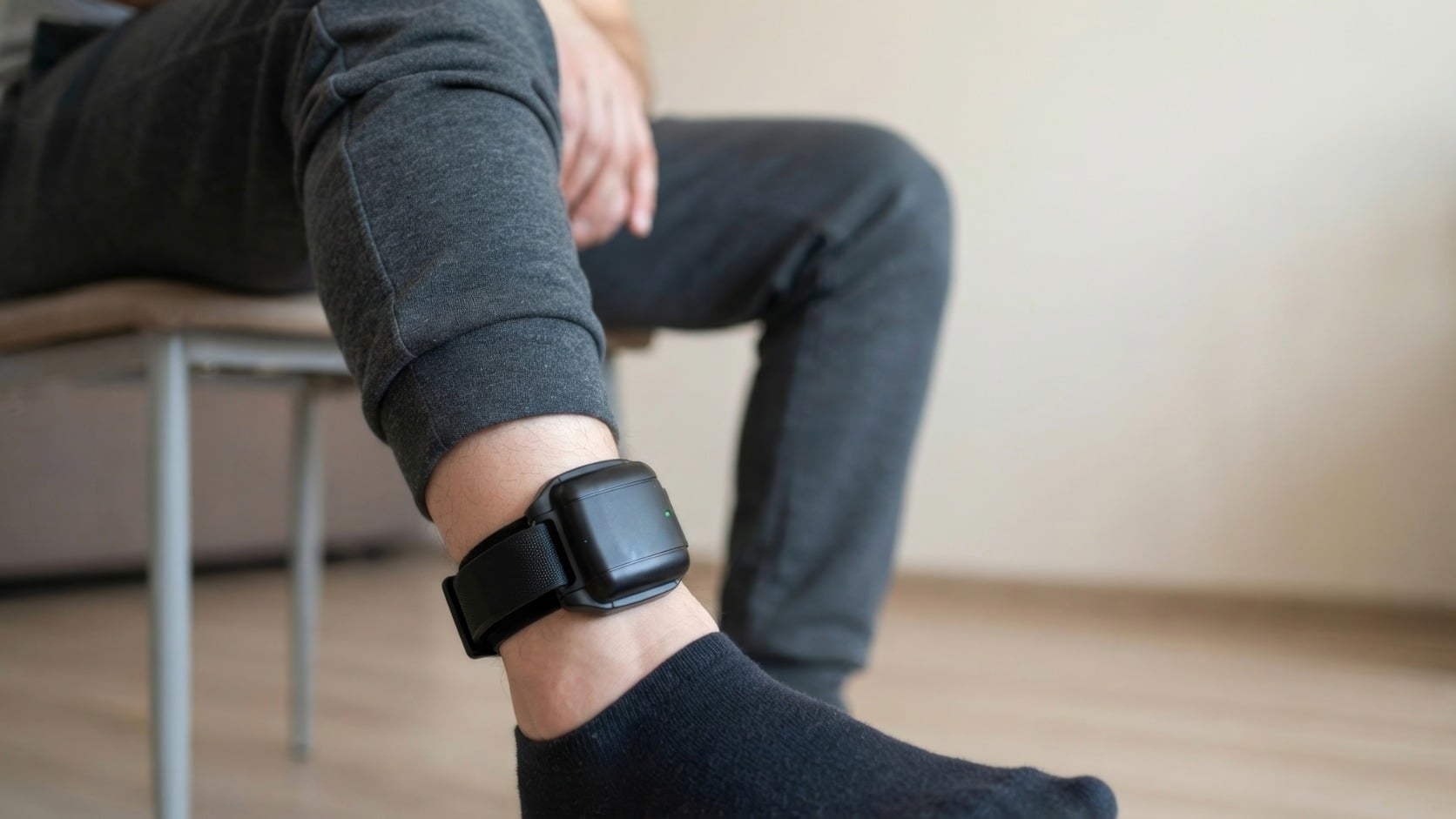
Can You Go to Jail While Waiting for a Gagnon Hearing?
Yes. In certain circumstances, a probation detainer can result in someone being held while an alleged violation moves through the court system.
However, detention is not automatic for every technical violation. Probation officers and courts must follow applicable legal requirements, including due process protections.
If you’re being detained, your attorney can review whether the necessary preliminary proceedings occurred and whether continued detention is justified.
Addressing these issues quickly is important because detention can disrupt employment, treatment, housing, and family responsibilities before the final hearing takes place.
How a Probation Violation Lawyer in York County Can Help
Probation hearings often involve more than determining whether someone missed an appointment or failed to follow a condition. Judges may also consider the circumstances behind the violation and whether continued supervision is appropriate.
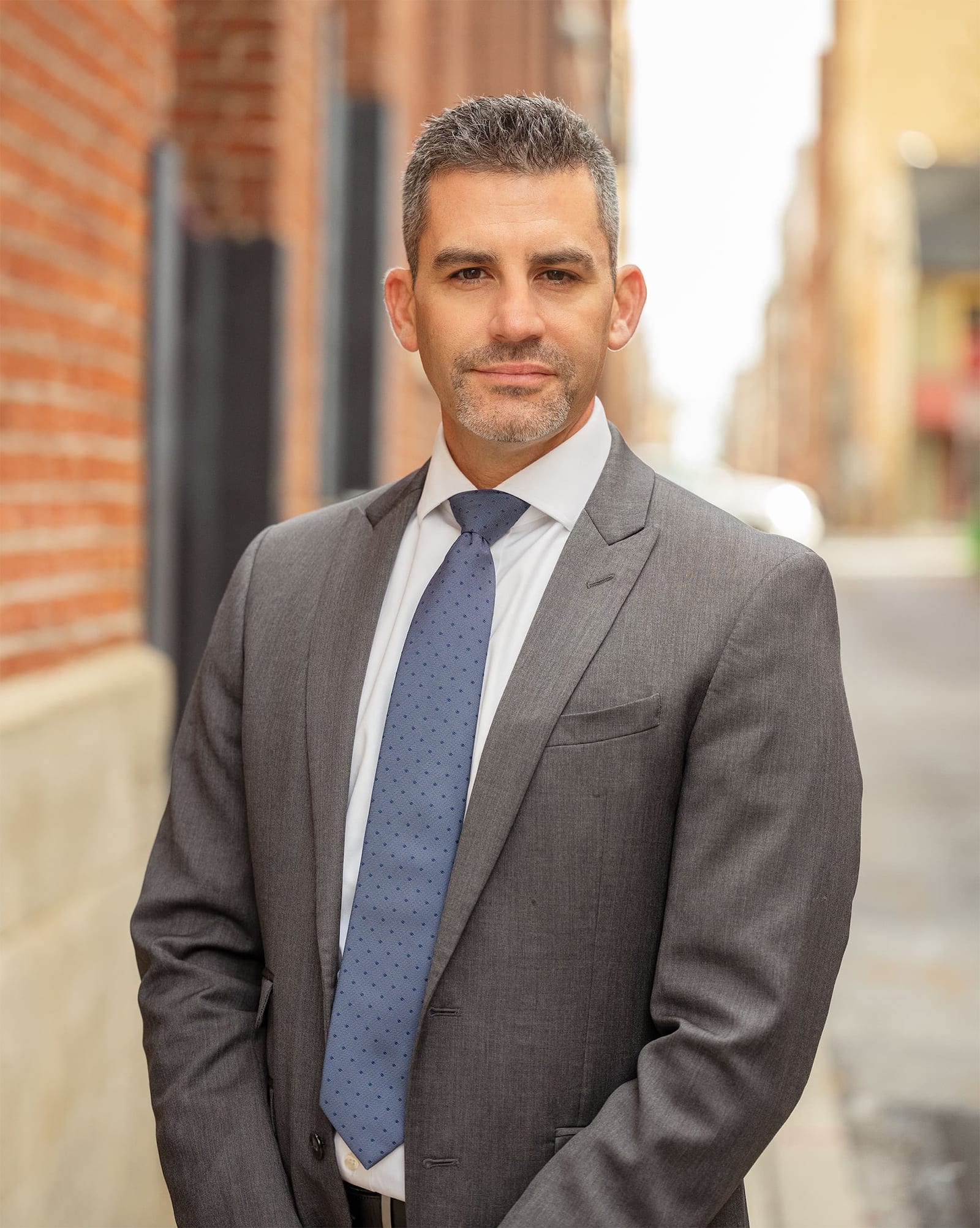
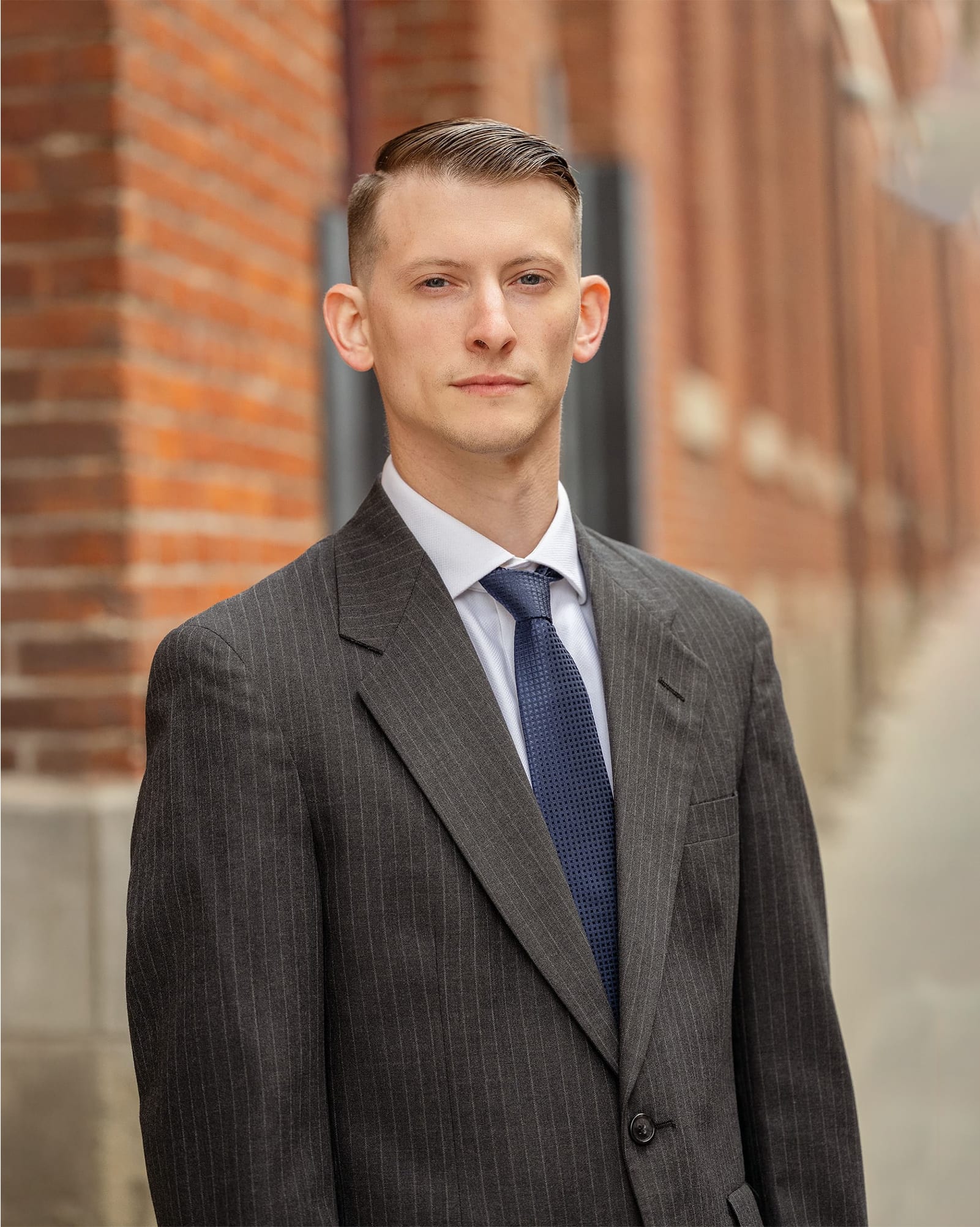
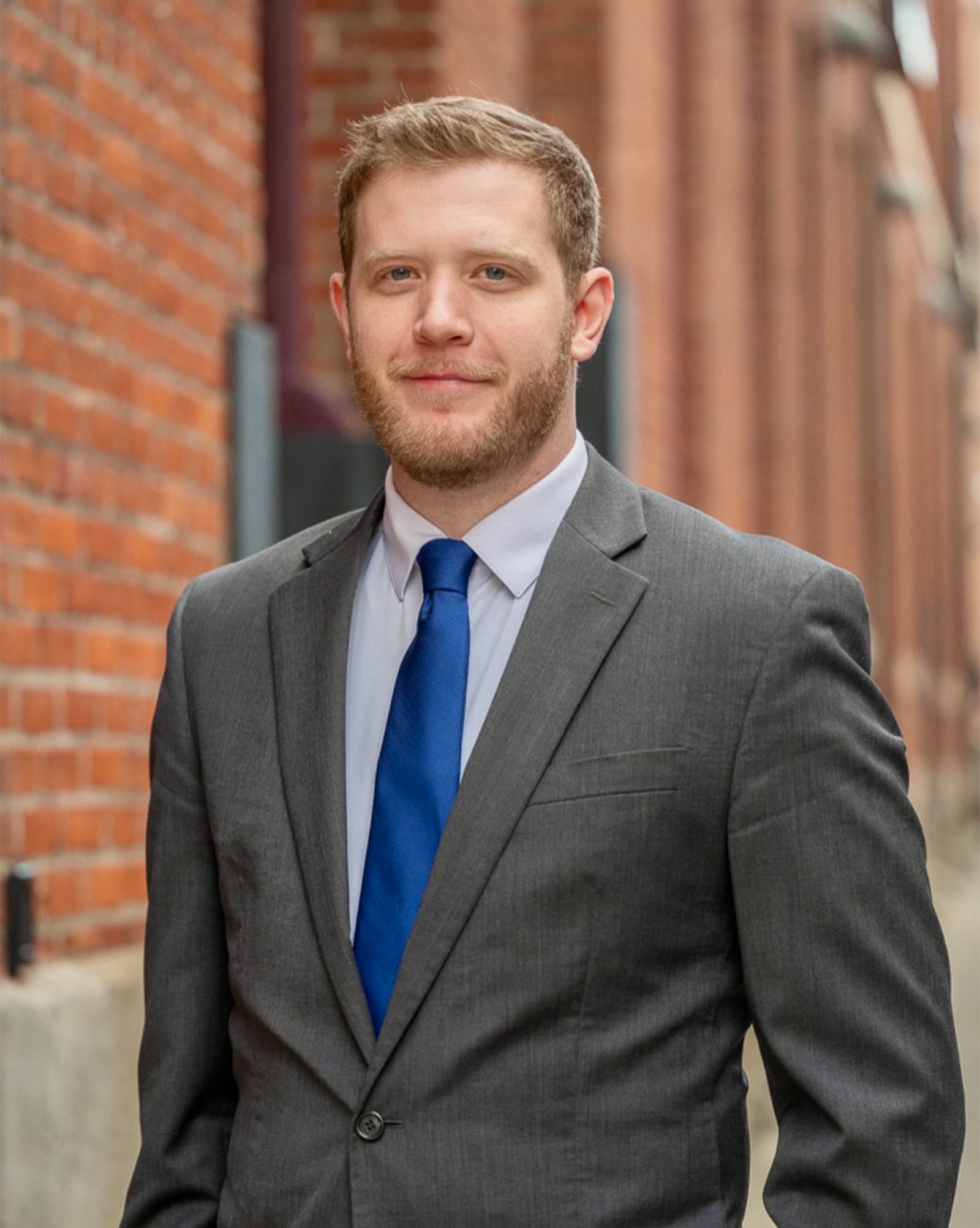
At Kearney Law, T.L. Kearney, Tim Long, and Justin Baran bring experience as former prosecutors to their criminal defense work.
They understand how probation violations are presented in court, how the Commonwealth evaluates the evidence, and which factors may influence a judge’s decision.
Building a Defense Against Probation Revocation
An effective defense begins with evaluating the allegations and reviewing the defendant’s record on supervision.
Depending on the circumstances, relevant evidence may include:
- Proof of consistent employment or job opportunities
- Completion of counseling or substance abuse treatment
- Medical records explaining missed appointments
- Documentation of family responsibilities
- Records showing compliance with other probation conditions
- Evidence challenging the alleged violation
Your attorney may also review whether proper notice was provided, whether the hearing occurred within the required legal framework, and whether the court has authority to impose the proposed sentence.
In some cases, a structured plan for treatment, employment, or improved compliance may support a request to continue probation instead of imposing incarceration.
What Should You Do if You’re Accused of Violating Probation?
If you believe your probation officer intends to report a violation, take the situation seriously. Waiting until the hearing may limit your ability to prepare.
- Contact a criminal defense attorney. Early legal guidance can help you understand the allegations and potential consequences.
- Continue following your probation conditions. Unless the court changes your requirements, remain compliant with your existing supervision terms.
- Preserve relevant documentation. Keep appointment records, treatment paperwork, employment records, and communications involving your probation officer.
- Address missed requirements. When appropriate, make arrangements to resume treatment, counseling, or other required programming.
- Prepare for your hearing. Work with your attorney to organize evidence and develop a realistic plan for continued compliance.
Do not ignore notices from the court or your probation officer. Missing a scheduled appearance may create additional problems.
Frequently Asked Questions About Probation Violations
What is a Gagnon hearing in Pennsylvania?
A Gagnon hearing is part of the legal process for addressing alleged probation violations. Gagnon I is the preliminary probable cause stage, while Gagnon II is the formal revocation hearing where the court determines whether a violation occurred and what consequences are appropriate.
Will I go to jail for a technical probation violation in Pennsylvania?
Not necessarily. Pennsylvania’s Act 44 established a presumption against incarceration for technical violations. When qualifying confinement is permitted, the law generally limits sentences to 14 days for a first technical violation and 30 days for a second, subject to statutory exceptions.
Can I be held in jail while waiting for my violation hearing?
Yes. A probation detainer may result in detention while the alleged violation is addressed. However, detention and preliminary hearing procedures must comply with applicable legal requirements.
Does a new arrest automatically mean my probation will be revoked?
No. An arrest alone does not establish a probation violation. The court must conduct the required hearing and make the necessary findings. Under Act 44, a conviction or other qualifying circumstances are especially important when determining whether incarceration is legally permitted.
Can probation be revoked for not paying fines?
Generally, probation cannot be revoked solely because someone lacks the financial ability to pay fines or costs. Pennsylvania law requires additional findings concerning a person’s ability to pay and willful refusal to pay fines before certain sanctions may be imposed.
What happens if I fail a drug test while on probation?
A failed drug test may lead to an alleged technical violation. However, the outcome depends on your supervision conditions, prior violations, treatment history, and other circumstances. In some situations, additional treatment or modified supervision may be considered instead of incarceration.
Do I need a lawyer for a Gagnon II hearing?
A defendant is entitled to representation by counsel at a Pennsylvania Gagnon II revocation hearing. An experienced probation violation attorney can evaluate the allegations, present mitigating evidence, and challenge an improper revocation or sentence.
Protect Your Freedom and Your Progress
A probation violation doesn’t have to erase the progress you’ve made. Pennsylvania law provides important protections, particularly for technical violations, but understanding and asserting those protections requires preparation.
Whether you’re facing a missed appointment allegation, failed drug test, or new criminal charge, the decisions made during your violation hearing can affect your future.
At Kearney Law, former prosecutors T.L. Kearney, Tim Long, and Justin Baran understand how probation violations are evaluated and litigated. Their experience helps clients prepare for Gagnon hearings and pursue outcomes that protect their freedom.
If you need a probation violation lawyer in York County, contact Kearney Law to discuss your case.
Call 717-668-8159 to schedule a consultation.