PA’s School Bus Stopping Law: What Every Driver Needs to Know
Every school day, buses make hundreds of stops across York, Adams, Lancaster, and the surrounding counties. Most drivers know they are supposed to stop. Many drivers do not realize that passing a stopped bus is a criminal offense in Pennsylvania, not just a routine traffic ticket.
The Pennsylvania school bus stopping law carries a license suspension, points on your record, and a fine. One mistake at the wrong moment can cost you your license for two months.
Below, you’ll learn how the law works, what the penalties are, and what to do if you’ve already received a citation.
When the Pennsylvania School Bus Stopping Law Requires You to Stop
The rules are strict, and they apply whether or not the road has painted lines.
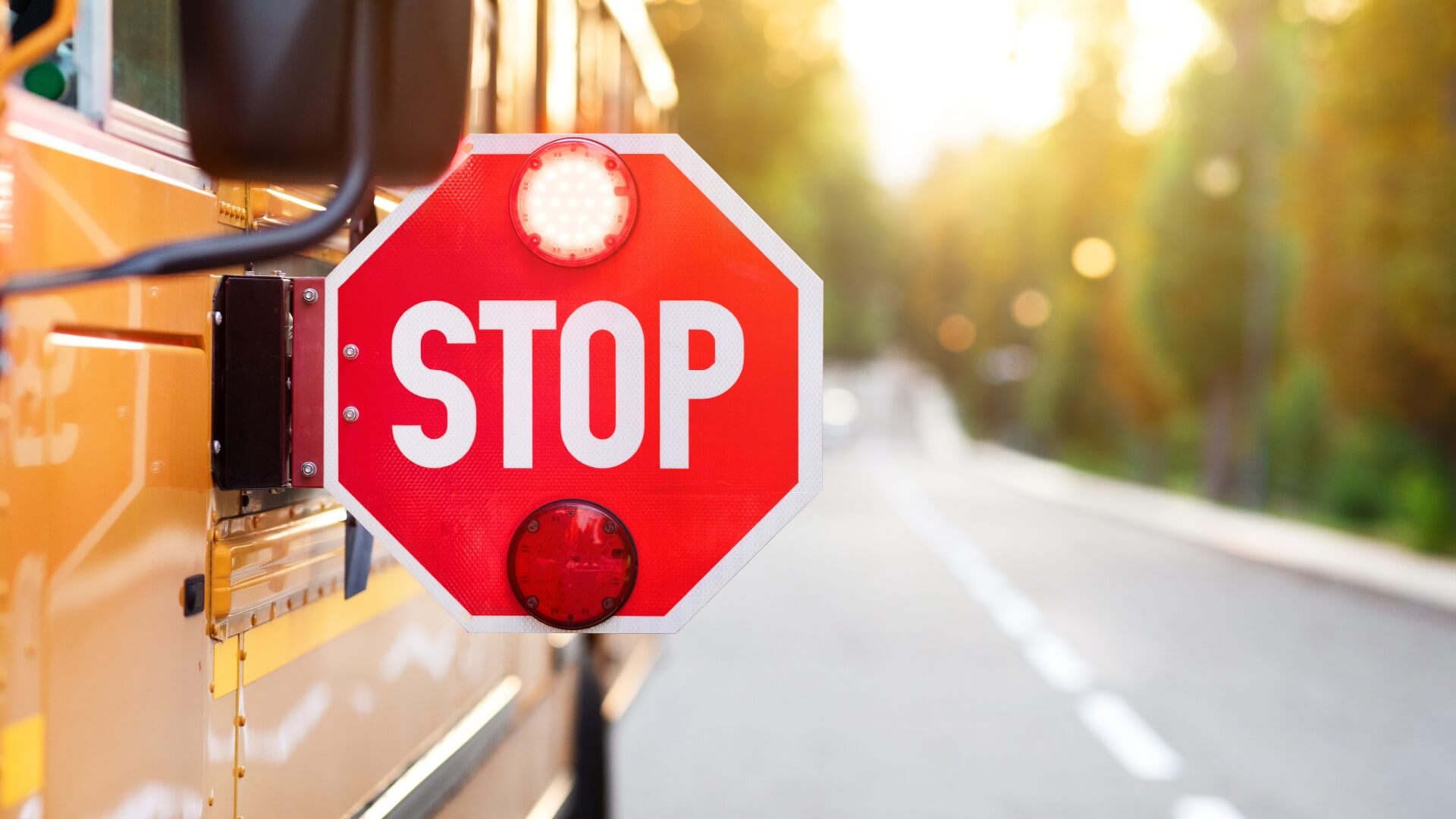
You must stop when a school bus has its red lights flashing and its stop arm extended. That requirement applies whether you are behind the bus, meeting it from the opposite direction, or approaching an intersection where the bus is stopped.
- Stop at least ten feet away from the bus.
- Slow down and prepare to stop when you see flashing amber lights.
- Wait until the red lights stop flashing and the stop arm retracts before moving.
- Do not proceed until every child has reached a place of safety.
Flashing amber lights warn that the bus is preparing to stop. Red lights and an extended stop arm mean you must stop immediately.
The One Exception: Separate Roadways
There is one situation where you do not have to stop. If a divided highway physically separates your side of the road from the bus, and the bus is traveling on the opposite side, you may continue.
The divider must be a physical barrier. Concrete or metal median barriers, guide rails, grass medians, trees, shrubs, or even a stream qualify. A painted center line does not. Two lanes separated only by paint still require every driver to stop.
Whenever you’re unsure whether a divider qualifies, choose the safest option and stop. You can also review PennDOT’s official school bus safety guidance for additional examples.
The Penalties Are Heavier Than You Think
Pennsylvania treats passing a stopped school bus far more seriously than a standard moving violation. The penalty depends on how authorities identify the violation.
If a police officer cites you, the violation is a summary criminal offense. A conviction carries:
- A $250 fine plus a $35 surcharge.
- Five points on your driving record.
- A 60-day driver’s license suspension.
If an automated stop-arm camera records the violation, the penalty is civil instead. The registered owner receives a $300 fine, but the citation does not add points or suspend a driver’s license.
The difference matters. A camera citation affects your finances. An officer-issued citation can affect both your finances and your ability to drive.

School bus traffic laws in PA
Why a School Bus Citation Is Worth Fighting
A 60-day suspension disrupts your job, your family, and your daily routine. Points can increase your insurance premiums and remain on your driving record. Those consequences can follow you long after the traffic stop.
A citation is not the same as a conviction. The Commonwealth still has to prove every required element of the case.
What the Commonwealth Must Prove
Prosecutors must show that the bus had its red lights flashing, the stop arm was activated, and you passed the bus when the Pennsylvania school bus stopping law required you to stop.
Our attorneys are former prosecutors. We spent years building and trying these exact cases. That experience helps us recognize weaknesses in the Commonwealth’s evidence before they become convictions.
Possible Defenses to a School Bus Stopping Citation
Several defenses may apply depending on the facts. The bus may have been on a separate roadway. The lights may have been amber instead of red. An officer’s view may have been obstructed. Camera footage may not support the allegations in the citation. Every case deserves a careful review.
At Kearney Law, we frequently negotiate school bus stopping violations down to other traffic offenses that do not carry the same severe penalties. Avoiding a 60-day driver’s license suspension is often the most important outcome because it allows our clients to continue working, take their children to school and activities, and manage everyday responsibilities. Protecting your driving privileges remains one of our primary goals when defending these cases.