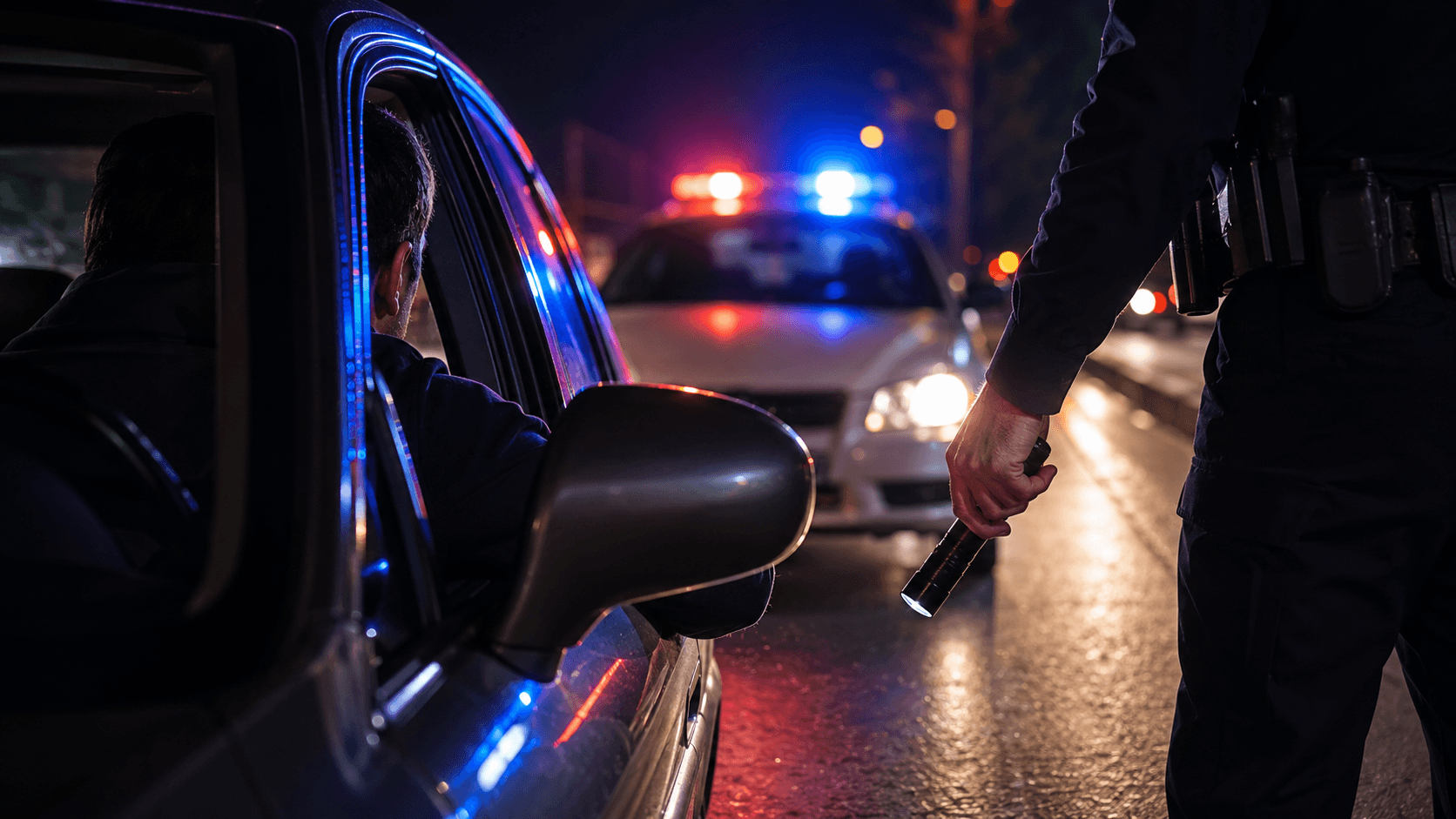
You see lights in your rearview mirror. You pull over. Within a few minutes, the officer asks you to step out of the car. What happens next often decides how strong the DUI case becomes. Most people do not know what the law requires them to do. They also do not know what an officer simply asks them to do. Those are two very different things.
We have handled thousands of DUI cases in Pennsylvania. We first built these cases as prosecutors. Today, we defend people accused of DUI by challenging the evidence. Understanding your rights during a traffic stop matters. Know them before you take a breathalyzer test. Also, know them before you agree to a field sobriety test. Here’s what you need to understand about field sobriety tests in Pennsylvania.
What Is a Field Sobriety Test?
A field sobriety test includes physical and mental exercises that a police officer may ask you to perform roadside after suspecting you of driving under the influence. The officer watches how you move, follow instructions, and respond under pressure. In reality, the officer gathers evidence, and prosecutors may later use what you do during these tests in court.
Police in Pennsylvania most commonly use three roadside tests:
- Horizontal Gaze Nystagmus (HGN)
- Walk-and-Turn
- One-Leg Stand
Officers learn specific procedures for giving these tests. If an officer skips steps or performs the tests incorrectly, your attorney may challenge the results.
They also ask some drivers to perform other exercises, such as reciting the alphabet, counting backward, or touching a finger to the nose. These exercises have less scientific support and depend heavily on what the officer claims to see.
Are You Required to Take a Field Sobriety Test in Pennsylvania?
No. Pennsylvania law makes field sobriety tests voluntary. You do not have to perform them, and refusing them does not violate the law.
That said, an officer can document your refusal, and prosecutors may argue that fact as part of the overall case. Every situation differs, but you should understand that performing the tests often gives the officer more evidence.
Field sobriety tests help officers identify signs of impairment. They do not exist to clear you of suspicion. Many drivers later wish they had declined. That does not mean declining always makes sense, but you should understand what you give the officer when you agree to participate.
If You Decline the Tests
If you decide to decline, remain polite and respectful. Do not argue or explain your decision. Staying calm and cooperative usually works in your favor.
Do not confuse a field sobriety test with a chemical test. Pennsylvania law treats them very differently.
What Officers Look for During the Tests
During the HGN test, the officer watches your eyes for an involuntary jerking movement called nystagmus. Alcohol can make that movement more noticeable, but fatigue, anxiety, certain medications, lighting conditions, and many other factors can produce similar results.
The Walk-and-Turn and One-Leg Stand measure divided attention. Officers use these exercises to see whether you can follow instructions while completing a physical task. They look for specific clues and score the tests based on their training.
Roadside conditions also matter. Gravel, uneven pavement, poor lighting, traffic noise, bad weather, injuries, age, balance problems, and even your footwear can affect your performance.
How We Challenge Field Sobriety Tests
As former prosecutors, we understand how officers learn these tests, how they score them, and how they explain what they saw in court. We also know how to challenge those claims. Officers must follow the proper procedures. They also need reasonable testing conditions. Credible observations matter just as much. When officers fail in any of those areas, the defense can challenge the accuracy of the results.
Chemical Tests: Different Rules Apply
Pennsylvania has an implied consent law. By driving on Pennsylvania roads, you agree to submit to a chemical test, such as a breath, blood, or urine test, after police lawfully arrest you for DUI. Unlike field sobriety tests, refusing a chemical test can lead to serious consequences.
What Counts as a Chemical Test Refusal?
Many drivers assume they must simply avoid saying “no.” Pennsylvania law works differently.
Police may treat anything other than a clear and direct “yes” as a refusal. Asking questions, delaying your answer, or requesting an attorney before deciding may all qualify as a refusal.
If you refuse a chemical test after a lawful DUI arrest, PennDOT can suspend your driver’s license for 12 months after a first refusal, even if the court never convicts you of DUI. A second refusal within 10 years can lead to an 18-month suspension.
Roadside Breath Test vs. Formal Chemical Test
Many drivers confuse the roadside portable breath test (PBT) with the formal chemical test that follows an arrest.
Many Pennsylvania counties use a blood draw as the formal chemical test after an arrest. Other counties, including Lancaster County, use certified breath-testing equipment at the police station.
Officers use the roadside PBT for a different purpose during the investigation. Refusing the roadside PBT does not trigger the same license suspension that can result from refusing the formal chemical test after an arrest.
Making Your Decision During a DUI Stop
The specific facts of your case decide whether submitting to a chemical test makes sense. However, officers usually expect an immediate answer, and they may treat hesitation as a refusal.
What to Do If You’re Pulled Over
The first few minutes of a DUI stop matter more than most people realize. Police officers receive training to observe driver behavior. They often document everything from the way you pull over to the way you answer questions and hand over your documents.
Remaining calm and composed helps protect your interests.
Keep These Tips in Mind
- Pull over safely and promptly.
- Turn off the engine and keep your hands visible.
- Provide your license, registration, and proof of insurance when requested.
- You do not have to answer questions about where you’ve been, where you’re going, or whether you’ve been drinking.
- If you decline field sobriety tests, do so politely and respectfully.
- Do not argue, resist, or create a confrontation.
Following these steps cannot guarantee that police will not arrest you. However, they may limit the amount of evidence officers collect before your attorney reviews the case.
If Police Already Arrested You for DUI
If police already arrested you, do not assume your case is hopeless because you performed field sobriety tests or because a chemical test produced a result above the legal limit.
Your attorney should examine much more than a single test result. An experienced DUI lawyer should decide whether the officer lawfully stopped your vehicle, had probable cause to arrest you, gave the testing correctly, properly maintained and calibrated the equipment, and respected your rights throughout the investigation.
We’ve represented clients who thought prosecutors had an open-and-shut case, only to uncover serious problems with the traffic stop, testing procedures, or evidence collection. Every DUI case deserves a careful review.
If police charged you with DUI, speak with an experienced attorney as soon as possible. The sooner an attorney reviews your case, the sooner they can identify and preserve potential defenses.