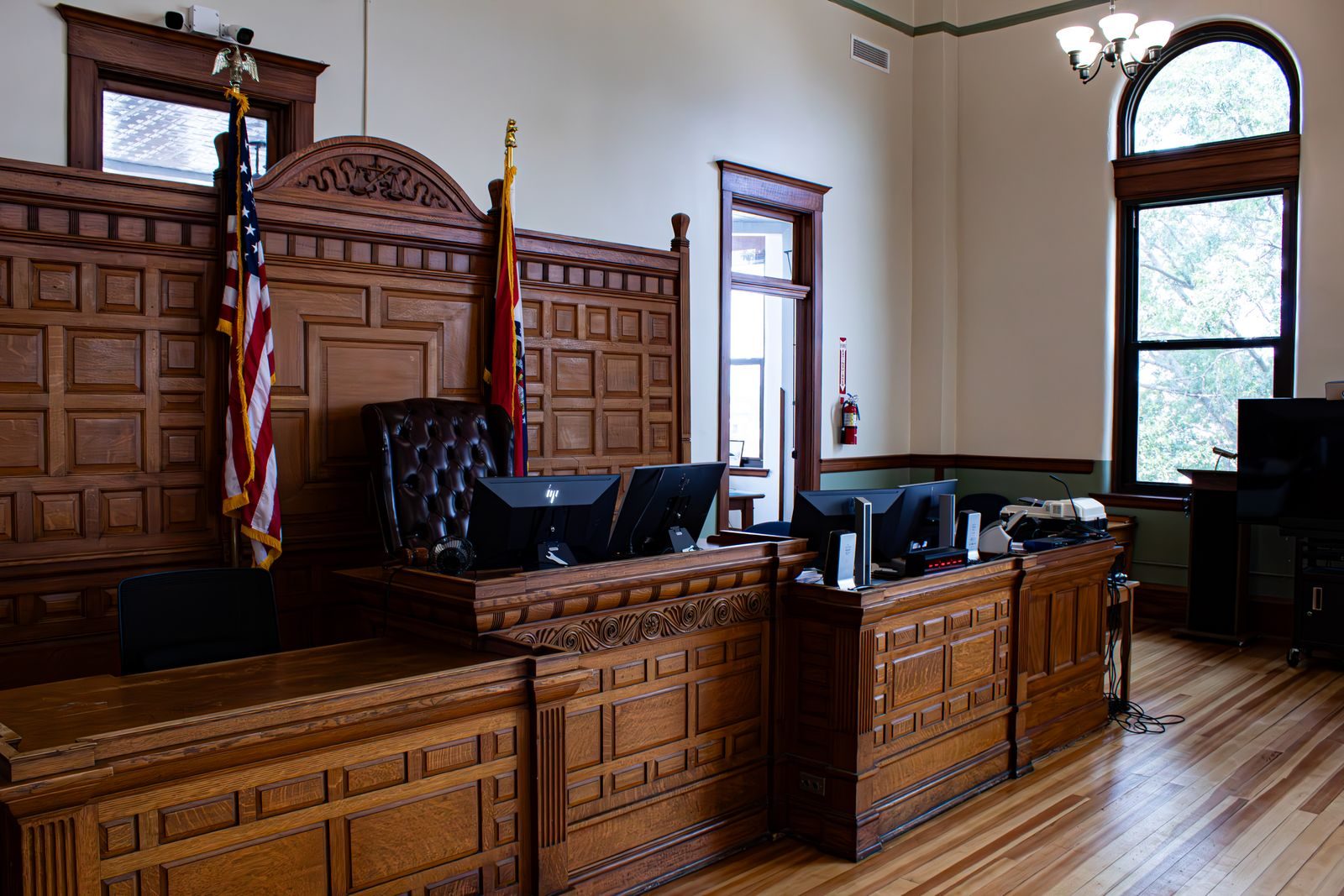
A preliminary hearing in Pennsylvania is one of the earliest opportunities to test whether criminal charges have enough evidence to move forward. It is not a trial, and the judge does not decide guilt beyond a reasonable doubt. The hearing has a narrower purpose: determining whether the Commonwealth established a prima facie case.
For people charged with a misdemeanor or felony in York County, understanding that difference can change how they prepare and what questions they ask their attorney.
What Does “Prima Facie Case” Mean?
A prima facie case is the level of proof the Commonwealth must present at a preliminary hearing before a magisterial district judge can hold a misdemeanor or felony charge for the Court of Common Pleas. It is a comparatively low threshold, far below the proof beyond a reasonable doubt required for conviction at trial. Under Pennsylvania Rule of Criminal Procedure 542, the issuing authority decides whether the evidence establishes that a crime was committed and that the defendant committed it. This early hearing is about whether the prosecution may proceed, not whether the defense has proved its case.
A case can be held for court even when the defense strongly disputes the allegations, because the preliminary hearing is principally a test of the Commonwealth’s prima facie evidence rather than a full trial of the defense. Conversely, a charge can be dismissed if the Commonwealth does not meet that preliminary burden. The available evidence and charged elements control.
Where Does the Preliminary Hearing Take Place?
In most Pennsylvania criminal cases, preliminary hearings occur before a magisterial district judge. The particular court generally depends on where the alleged offense occurred, not simply where the person lives. A case that is held for court then proceeds through the county Court of Common Pleas.
If you are charged in York County, check the court information on the notice you received. You can also look up publicly available docket details using the Pennsylvania Unified Judicial System case search. Some case records are restricted or unavailable online.
What Happens During the Hearing?
The prosecutor may present witnesses, documents or physical evidence. Defense counsel can examine the evidence introduced, question witnesses within the permitted scope, and identify whether the Commonwealth has established the elements of the charged offense. Even when the prima facie threshold is met, the hearing can give defense counsel valuable information for later negotiation and trial preparation.
Rule 542 permits some evidence that may be treated differently at trial, including limited uses of hearsay. The rules at a preliminary hearing are more relaxed in certain respects, but they are not unlimited, and applicable constitutional protections and Pennsylvania appellate decisions still matter. The absence of an eyewitness therefore does not automatically end the case.
Can Your Attorney Cross-Examine Witnesses?
Yes, within the hearing’s permitted scope. Cross-examination may expose inconsistent accounts, problems with identification or gaps in the alleged elements. A preliminary hearing can also help the defense learn how a prosecution witness tells the story under questioning.
Can Charges Be Reduced or Dismissed?
Sometimes. A judge may dismiss a charge if the Commonwealth fails to establish a prima facie case. In other cases, charges move forward as filed. Prosecutors and defense lawyers may separately discuss possible resolutions, but there is no guaranteed deal simply because a hearing is scheduled.
Should You Waive or Stipulate at a Preliminary Hearing?
Waiving a preliminary hearing means giving up the hearing itself. Under Rule 541, a represented defendant generally cannot later challenge the sufficiency of the Commonwealth’s prima facie case unless a recognized exception or an express agreement preserving that challenge applies. An attorney may instead discuss a stipulation to the prima facie evidence or particular facts that allows the case to move to the Court of Common Pleas without a full contested hearing. A carefully structured stipulation can be a useful strategic option, but its effect on later rights depends on its precise terms and how it is recorded. Do not assume that every stipulation automatically preserves the right to challenge the prima facie case later.
At Kearney Law, we frequently evaluate whether stipulating to a case rather than waiving the preliminary hearing can better protect a client’s strategic options. Either approach may sacrifice an early opportunity to cross-examine witnesses, and the correct choice depends on the evidence and any negotiated benefit. Experienced representation at the preliminary hearing can set the tone for later proceedings, but counsel should explain exactly which rights remain preserved before the client agrees.
What Happens if the Judge Holds the Charges for Court?
The charges move toward the Court of Common Pleas. The case may involve formal arraignment, discovery, pretrial motions, plea negotiations and potentially a trial. Being held for court is not a finding of guilt.
An attorney can use the information developed during the hearing to request records, evaluate potential constitutional issues and prepare for the next court date. Kearney Law’s criminal defense team represents people through these stages.
How Should You Prepare for a Preliminary Hearing?
Review your complaint, summons and court date with defense counsel.
Preserve relevant messages, photographs, receipts and video before they are deleted.
Tell your attorney about potential witnesses without contacting them to influence testimony.
Follow bail conditions and do not miss your appearance.
Discuss the potential benefits and disadvantages of a waiver before making a decision.
Frequently Asked Questions
Can I be convicted at my preliminary hearing?
Not of a misdemeanor or felony merely because the judge holds the charges for court. The preliminary hearing determines whether the case proceeds, not final guilt. In some cases, however, defense counsel may negotiate an appropriate disposition of certain less-serious charges, including some third-degree misdemeanor matters, at or around the preliminary-hearing stage. That is a negotiated resolution, not a conviction resulting simply from being held for court.
Do I have to testify?
No. A defendant has the constitutional right to remain silent and cannot be required to testify against themselves. Whether presenting any defense evidence would be advantageous at a preliminary hearing is a strategic question to discuss with counsel.
What if a witness does not appear?
The effect depends on the charge, the remaining evidence and the applicable hearsay rules. An absent witness does not automatically end the case. Even if a magisterial district judge dismisses a charge for lack of prima facie evidence, the Commonwealth may be able to refile charges, subject to applicable rules and restrictions. Double jeopardy ordinarily does not attach at a preliminary hearing, so dismissal at that stage is not necessarily the end of the prosecution.
What if my preliminary hearing is continued?
The court may grant a continuance for cause. Keep the new date, remain compliant with release conditions and check with your attorney.
Former Prosecutors. Now We Defend.
Kearney Law’s attorneys have evaluated criminal charges from both sides of the courtroom. If you have a preliminary hearing in York County or another Central Pennsylvania jurisdiction, call 717-668-8159 for a free consultation. You can also learn more about the team’s approach to criminal defense.